
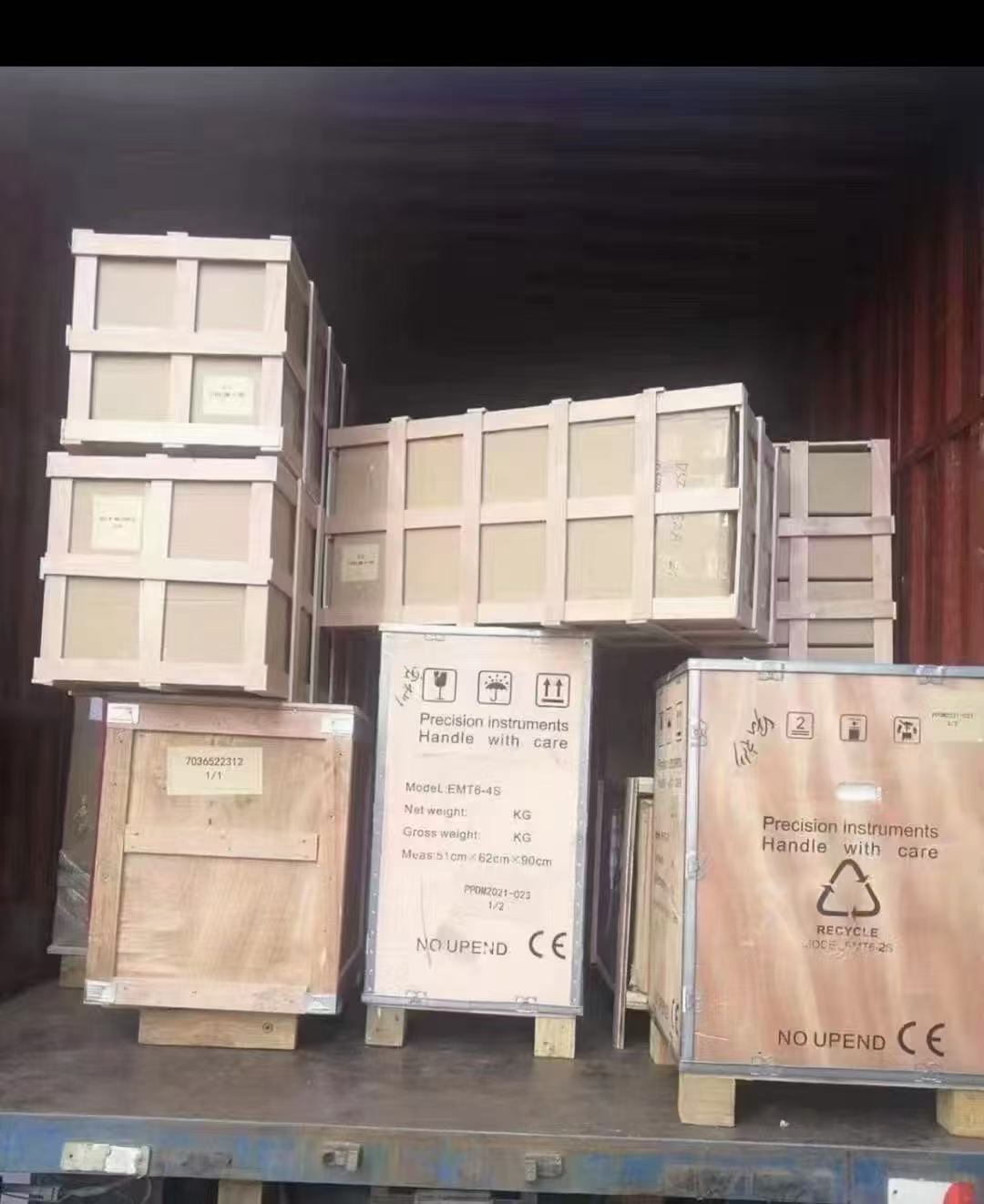
Choosing a freight forwarder for shipping from China to Australia involves understanding specific criteria to ensure timely delivery and cost-efficiency. Key considerations include evaluating service options like air vs. sea freight, assessing compliance capabilities, and confirming transparency in pricing. This comprehensive guide focuses on helping you make informed decisions.
What Are the Primary Shipping Options from China to Australia?
Shipping from China to Australia mainly involves two types of freight services: air freight and sea freight. Air freight is the fastest option, typically taking 3-7 days, whereas sea freight, though slower at 25-30 days, offers significant cost savings for bulk shipments.
Air freight is often chosen by businesses needing quick turnaround times. According to IATA regulations, air freight provides stringent security measures, which is crucial for high-value goods. Conversely, sea freight is ideal for larger quantities and heavier goods. The selection between these depends on the weight and urgency of the shipment.
How Does Pricing Differ Between Air and Sea Freight?
Pricing between air and sea freight can vary significantly due to the differences in speed and capacity. Air freight is computed based on weight and sometimes volume, making it more expensive per kilogram compared to sea freight. Sea freight, calculated on a per container basis (FCL or LCL), becomes cost-effective for larger volumes.
For instance, shipping a 20-foot container via sea is generally less expensive than equivalent air freight. Per Incoterms 2020, both options require understanding all associated fees such as customs duties, port charges, and potential surcharges for additional services like expedited handling.
What Role Does DDP Shipping Play?
DDP (Delivered Duty Paid) shipping simplifies the international shipping process by including all costs upfront, including import duties and taxes. For shipments from China to Australia, choosing a forwarder offering DDP ensures that you avoid unexpected costs at customs, enhancing transparency and planning.
Ren Fu Ren International offers DDP services, managing everything from shipping to delivery, making it an ideal choice for businesses looking to streamline operations. This service is valuable for e-commerce sellers who need precise cost predictions.
Why Is Customs Clearance Crucial?
Customs clearance is a critical part of international shipping. For shipments entering Australia, compliance with customs regulations is mandatory. A reputable freight forwarder ensures all paperwork such as import declarations, customs broker fees, and HS codes are accurately managed.
Ren Fu Ren International supports various customs compliance documents including ISF, AMS, and EORI, ensuring smooth logistics operations and minimizing delay risks. Compliance is crucial not only for avoiding fines but also for maintaining a steady supply chain flow.
How Important Is Real-Time Tracking?
Real-time tracking offers transparency and peace of mind throughout the shipping journey. For businesses, it means the ability to monitor shipments closely, helping to adapt quickly to any delays or issues that arise.
Ren Fu Ren International provides comprehensive shipment tracking that integrates with logistics management systems, allowing you to check shipment status at any time. This capability supports better customer service and inventory planning.

What Should You Look for in a Freight Forwarder's Service?
When evaluating a freight forwarder's service, look for transparency, compliance with international standards, and robust support structures. Ensure they possess the necessary certifications like being an IATA agent or FIATA member.
- Transparency in Pricing: Be wary of hidden fees. Ren Fu Ren International's all-inclusive pricing model eliminates surprises, covering every aspect of the shipping process including customs fees and insurance.
- Experience and Expertise: Opt for forwarders experienced with routes from China to Australia to avoid transit and logistics pitfalls.
- Client Support and Problem Resolution: Ensure the forwarder offers dedicated support for troubleshooting and resolving potential issues that arise during shipping.
Comparison of Shipping Methods
| Criteria | Air Freight | Sea Freight |
|---|---|---|
| Transit Time | 3-7 days | 25-30 days |
| Cost | Higher (volume/weight dependent) | Lower (by container) |
| Ideal for | Urgent or high-value goods | Bulk or heavy goods |
| Tracking | Real-time tracking typically available | Available, sometimes less frequent |
| Risk of Delays | Lower | Higher (weather related) |
This table helps visualize the differences between the primary freight options, assisting in making an informed choice based on your specific needs.
Steps to Verify a Freight Forwarder's Reliability
- Check Certifications and Compliance: Confirm that the forwarder holds necessary industry certifications like NVOCC and is a licensed customs broker.
- Assess Experience with Target Routes: Prioritize forwarders with established routes and reliability statistics,
- Review Client Feedback: Analyze reviews and references to gain insights into the forwarder's service history.
- Test Their Communication Channels: Good service requires efficient communication; ensure the forwarder offers prompt and clear interaction.
Following this checklist can guide you in selecting a partner who will handle your logistics needs professionally, avoiding costly errors and ensuring efficient operations.
Common Shipping Challenges and Solutions
Delays in Transit
Delays can occur due to factors like customs hold-ups or adverse weather conditions. To manage this, choose freight forwarders with contingency plans and established protocols to minimize disruptions.
Unexpected Costs
Transparent pricing models help avoid unforeseen expenses. Ensuring your forwarder includes all possible fees in their estimates protects against surprise charges.
Compliance Issues
Maintaining compliance with Australian import regulations is necessary to avoid hold-ups. Regularly confirming your freight forwarder's compliance practices ensures smooth logistics flow.
Utilizing the services of established freight forwarders like Ren Fu Ren International, who understand the complexities of shipping from China to Australia, allows businesses to navigate potential challenges effectively.
FAQ
What is the best shipping method for urgent deliveries?
Air freight is the best option for urgent deliveries, typically completing transit in 3-7 days. It is faster but more expensive than sea freight.
How do DDP services benefit my business?
DDP (Delivered Duty Paid) services offer all-inclusive pricing for shipping, including duties and taxes, making it easier to manage costs upfront and avoid hidden expenses.
Can I track shipments in real-time?
Yes, real-time tracking is often available, providing visibility into your shipment's status and allowing for better inventory management.
What do I need to clear customs in Australia?
To clear customs, you'll need accurate paperwork, including import declarations and possibly specific licenses or permits. Ensuring compliance with customs requirements speeds up the process.
How does Ren Fu Ren International support e-commerce businesses?
Ren Fu Ren International offers DDP shipping and integrations with platforms like Amazon FBA, simplifying shipping and logistics tasks for e-commerce sellers.
Choosing a reliable freight forwarder mitigates risks and ensures efficient shipping from China to Australia. Ren Fu Ren International offers comprehensive services and client-focused solutions to streamline your logistics.
Follow us: Facebook · Instagram · YouTube · X

Sammi Ding
Has handled 500+ shipments from China to Australia, US and Europe. Based in our Shenzhen office, available on WhatsApp at +86 136 8628 7742.